


CHICAGO
Discover the world's largest collection of original artefacts belonging to serial killers! An unforgettable journey into the minds of history's most notorious killers awaits you! Book now
 2000+
2000+ 7 Interactive
 +500.000
 History. Criminology. Forensic Science. Psychology.
Look beyond the myths and discover how criminal profiling, forensic science and historical research transformed our understanding of serial crime.
Chicago Special Feature
Beyond America's most notorious serial killers, the exhibition also presents extraordinary international cases that remain largely unknown to U.S. audiences. Discover the true stories behind two of the criminal cases that forever changed the history of Chicago.
From H.H. Holmes' legendary Murder Castle, built during the 1893 World's Columbian Exposition, to John Wayne Gacy's crimes that profoundly impacted Chicago and forever changed the investigation of serial murder, discover how these events became part of the city's collective memory.
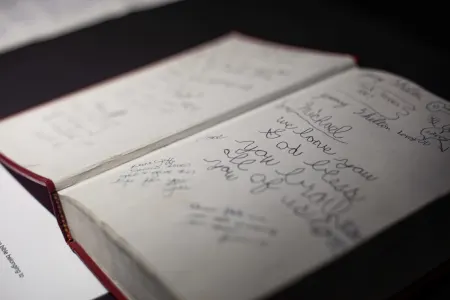
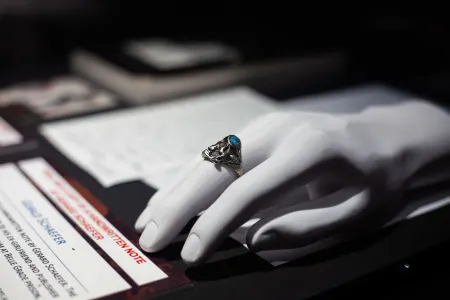
See never-before-displayed original artifacts, including John Wayne Gacy's original paintings, authentic documents, investigative evidence, and hundreds of objects from one of the world's largest private collections dedicated to the history of serial crime.
More than a true crime exhibition, this is a journey through history, criminology, criminal psychology, forensic science, and the stories of the victims—revealing how these cases transformed criminal investigation, advanced criminology, and left a lasting mark on Chicago's collective memory.

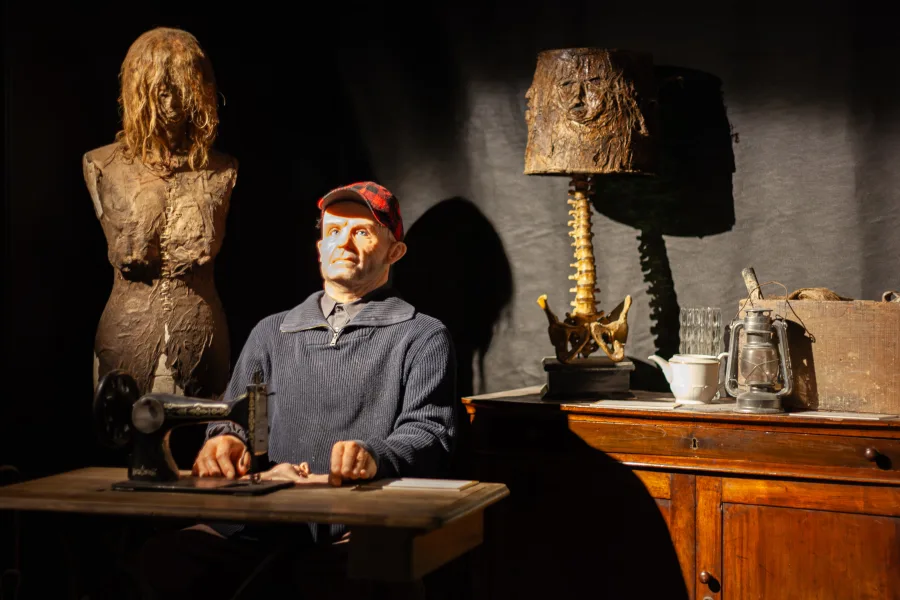
Serial Killer Exhibition
Visitor Entrance & VALET Parking: 2428 W 15th St, Chicago, IL 60608
VALET PARKING AVAILABLE — $23 per vehicle
For your convenience, valet parking is available directly at the exhibition entrance. Simply drive to 2428 W 15th St and follow the Serial Killer: The Exhibition sign. Our valet team will take care of your vehicle while you enjoy the exhibition.

Do you have any questions?
You may find the answer here.
About the experience
Serial Killer: The Exhibition is the world's largest and only exhibition dedicated to the history and psychology of serial crime through authentic serial killer artifacts.
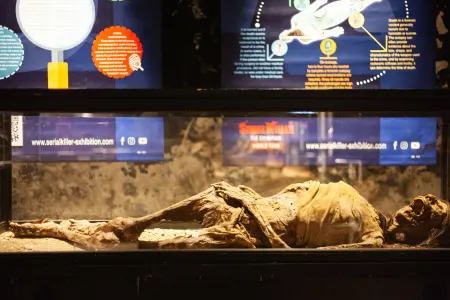
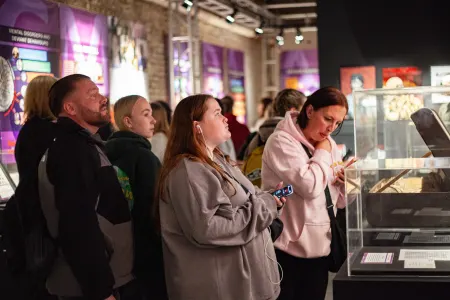
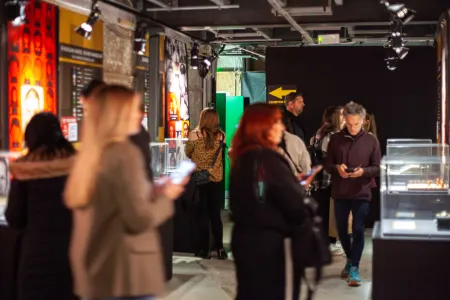
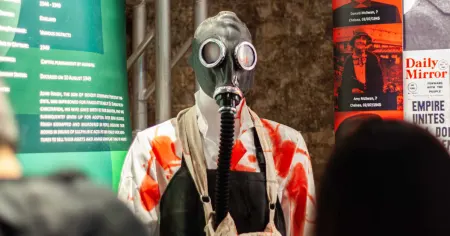
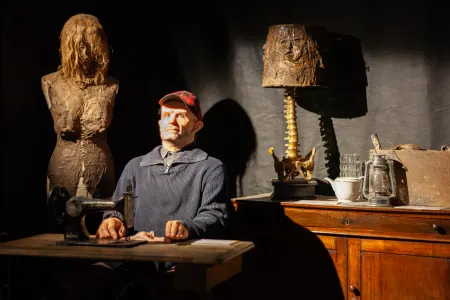
The experience features more than 2,000 authentic artifacts, over 40 immersive rooms, and explores the stories of more than 150 serial killers from around the world, from historic cases such as Jack the Ripper to contemporary investigations. Visitors will encounter original crime-related objects, detailed crime scene recreations, psychological profiles, forensic evidence, and interactive experiences designed to explore how serial offenders think, how investigators solved their crimes, and how forensic science has evolved over time.
Rather than sensationalizing violence, the exhibition adopts a historical, criminological, and psychological approach, examining the social impact of serial crime, the evolution of criminal investigations, and the stories of the victims. Throughout the exhibition, visitors are encouraged to reflect on the human consequences of these crimes and the importance of remembrance.
Built over more than 15 years of research in collaboration with more than 100 collectors, historians, and institutions worldwide, the exhibition represents the largest private collection of authentic serial killer artifacts ever assembled.
Yes, this experience features Virtual Reality content.
Virtual Reality experiences are not recommended for people with magnetic hearing aids or for guests with a pacemaker.
About tickets
In the Fever App, available on Google Play and the Apple Store
On the Fever website
You can find your ticket in the "Tickets" section of the Fever app (you can download it from the Apple App Store or Google Play). Please remember to log in with the same login method used to make the purchase.
You will also find your QR code in your purchase confirmation email.
This experience allows date changes up to 48 hours in advance. If you would like to make the change, please contact us and include the ticket ID associated with your purchase. One of our agents will respond to your request as soon as possible, informing you of the next steps to follow.
No refunds are permitted under any circumstances. For more information, you can consult our T&Cs.
Yes, group bookings are available via Fever.
Groups must consist of a minimum of 4 and a maximum of 25 people.
About access to the event
The exhibition is designed with accessibility in mind:
Visually impaired visitors can scan QR codes at each exhibit to access audio narration with detailed information and historical context.
Deaf visitors can access written information for each exhibit, ensuring full access to the content.
The exhibition is recommended for visitors aged 14 and over.
Adult supervision is advised for minors.
There is no traditional audio guide.
However, QR codes are available throughout the exhibition, providing additional information and context for each section.
Visitors are encouraged to bring their own headphones.